Recognizing Bed Bugs: Indicators, Symptoms, and Proven Treatment Solutions
Bed bugs are a pervasive issue in many households. These tiny, reddish-brown pests can remain undetected, hiding in the seams of mattresses and furniture. Evidence of an infestation typically appears as rust-colored stains and additional information itchy bites on exposed skin. Understanding how to identify these pests and their effects is essential. Effective treatment options exist, but understanding how to apply them is critical to reclaiming one's home environment. What steps should one take to address an infestation?
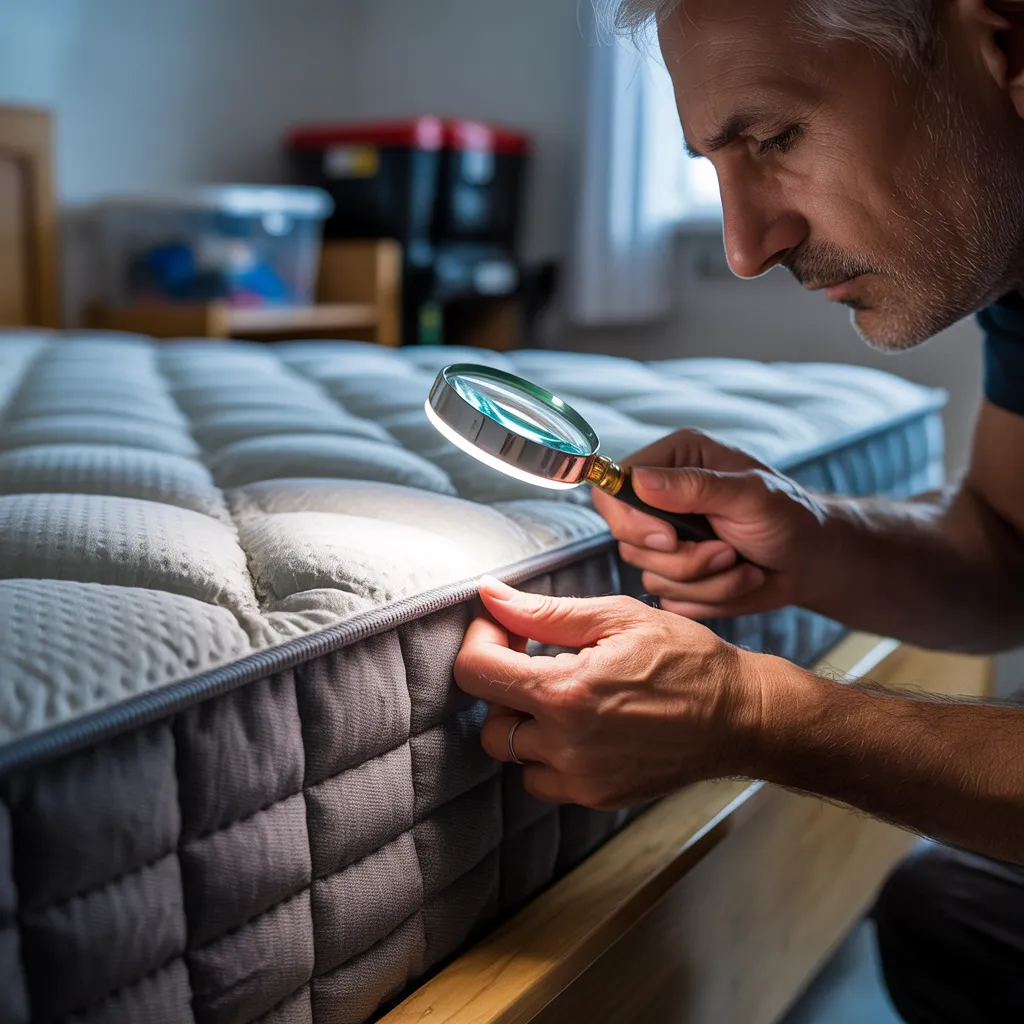
How to Detect Bed Bugs in Your Home
Identifying bed bugs in a home requires vigilance and attention to detail. These pests are small, brownish insects that often hide in cracks and crevices. Their flattened forms enable them to fit into confined areas, making identification difficult. Typical concealment areas include mattress seams, bed frames, and cushioned furniture. Homeowners should conduct regular inspections, especially after traveling or bringing used items into the home.
Evidence of an infestation includes tiny rust-colored marks on bedding, which indicate fecal deposits, and tiny white eggs or shed skins. A distinctive musty smell may also occur in severely affected areas. It is essential to inspect not only bedrooms but also neighboring rooms, as bed bugs are capable of spreading. Utilizing a flashlight and a magnifying glass can help with the detection. Early detection is essential for effective treatment and prevention of a larger infestation.
Recognize Bed Bug Bites and Symptoms
Bed bug bites often manifest as small, reddish, itchy bumps on the skin, usually found in groups or lined up in a row. These bites typically appear on areas of skin left uncovered, such as the arms, legs, and neck. While the itching may lead to scratching, which can exacerbate irritation, the bites are not known to transmit illnesses.
The timing of the bites can also provide clues; they frequently emerge overnight following a bed bug feeding. Certain people may encounter delayed responses, leading to more pronounced symptoms over time. In addition to the welts, indicators of a bed bug infestation can involve redness and inflammation surrounding the bite area.
Recognizing these warning signs in a timely manner is essential for controlling potential infestations. Recognition of these signs helps people pursue proper steps to avoid additional harm and irritation, supporting early intervention.
How to Successfully Eliminate Bed Bug Infestations
Identifying the symptoms of bed bug bites highlights the importance of effective treatment strategies to tackle bed bug infestations. Residents should begin with a detailed assessment of their home environments, focusing on crevices, furniture seams, and bedding. Once bed bugs are confirmed, removing clutter from the space can enhance the treatment process.
Heat treatment is a highly effective method, as bed bugs at all life stages are eliminated by temperatures exceeding 120°F. Certified pest control specialists frequently employ this method, alongside insecticides specifically designed for bed bugs. It is essential to follow label instructions carefully to guarantee safety and effectiveness.
In addition, laundering contaminated fabrics in hot water and drying on the highest heat setting can eliminate bed bugs. Closing up cracks and crevices and using bed bug-proof encasements on both mattresses and box springs can minimize the chances of re-infestation. Consistent efforts paired with multiple treatment methods will yield the best results in addressing bed bug infestations.
How to Stop Bed Bug Infestations in Your Home
Preventing bed bug infestations effectively requires homeowners to take proactive steps. Regularly inspecting sleeping areas, including mattresses, box springs, and headboards, is essential. Homeowners should look for small dark spots, shed skins, and live bugs. Minimizing clutter helps eliminate potential hiding spots, allowing homeowners to detect infestations sooner.
Furthermore, wrapping mattresses and pillows with protective encasements can offer protection from bed bugs. While traveling, checking hotel rooms and raising luggage above the floor can lower the likelihood of bringing bed bugs home.
Filling cracks and crevices in walls, baseboards, and around windows effectively blocks potential entry points. Homeowners should also launder and dry bedding and clothing on high heat frequently to eliminate any hidden bugs. Through the use of these precautionary measures, the chances of a bed bug infestation can be greatly decreased, promoting a healthier and more comfortable home.
How to Handle the Aftermath of a Bed Bug Infestation?
When a bed bug infestation has been detected, swift action is important to guarantee effective eradication. First, individuals should thoroughly inspect their living spaces, including sleeping surfaces, household items, and hidden corners, to identify any remaining bugs or eggs. Discard heavily infested items responsibly, placing them in sealed plastic bags to contain the infestation.
Next, cleaning bed linens and clothes in hot water and running them through a high-heat drying cycle effectively destroys persistent insects. Thoroughly vacuuming all carpets, flooring, and upholstered furniture before discarding the vacuum bag plays a critical role in eliminating bed bug infestations.
Professional pest control services are often necessary to ensure complete eradication, utilizing targeted treatments like heat or chemical applications. Once treatment is complete, checking for evidence of re-infestation is vital, and maintaining cleanliness can help prevent future occurrences. Recording the infestation details and measures implemented can prove valuable for later use.
Common Questions and Answers
Do Bed Bugs Survive in Cold Weather?
Bed bugs can survive in cold weather but are less active. They transition into a dormant state when temperatures drop below 50°F, enabling them to endure freezing conditions for prolonged periods, though they prefer warmer environments.
Do Bed Bugs Transmit Infections to Humans?
Bed bugs are not known to transmit diseases to humans. While their bites can cause discomfort and allergic reactions, they are primarily a nuisance rather than a vector for serious illnesses, as stated by health experts and entomologists.
How Long Are Bed Bugs Able to Live Without a Host?
Bed bug infestations can survive without a host for several months, usually spanning a period of two to six months. Their resilience allows them to endure periods without feeding, making it increasingly difficult for those affected to eliminate infestations.
Are Bed Bugs Detectable by the Naked Eye?
Indeed, bed bugs can be seen to the naked eye. Typically measuring 4 to 5 millimeters in length, their flattened, oval-shaped bodies make them easy to spot, especially when gathering in infested areas or concealed locations.
Can Pets Bring Bed Bugs Into the Home?
Pets cannot carry bed bugs on their bodies, as these pests primarily inhabit human environments. Nevertheless, domestic animals may accidentally transfer bed bug eggs or young nymphs on items like clothing or luggage, introducing them into homes.